This slightly edited post was first published on the Substack newsletter, Photos, mostly on August 30th, 2023.
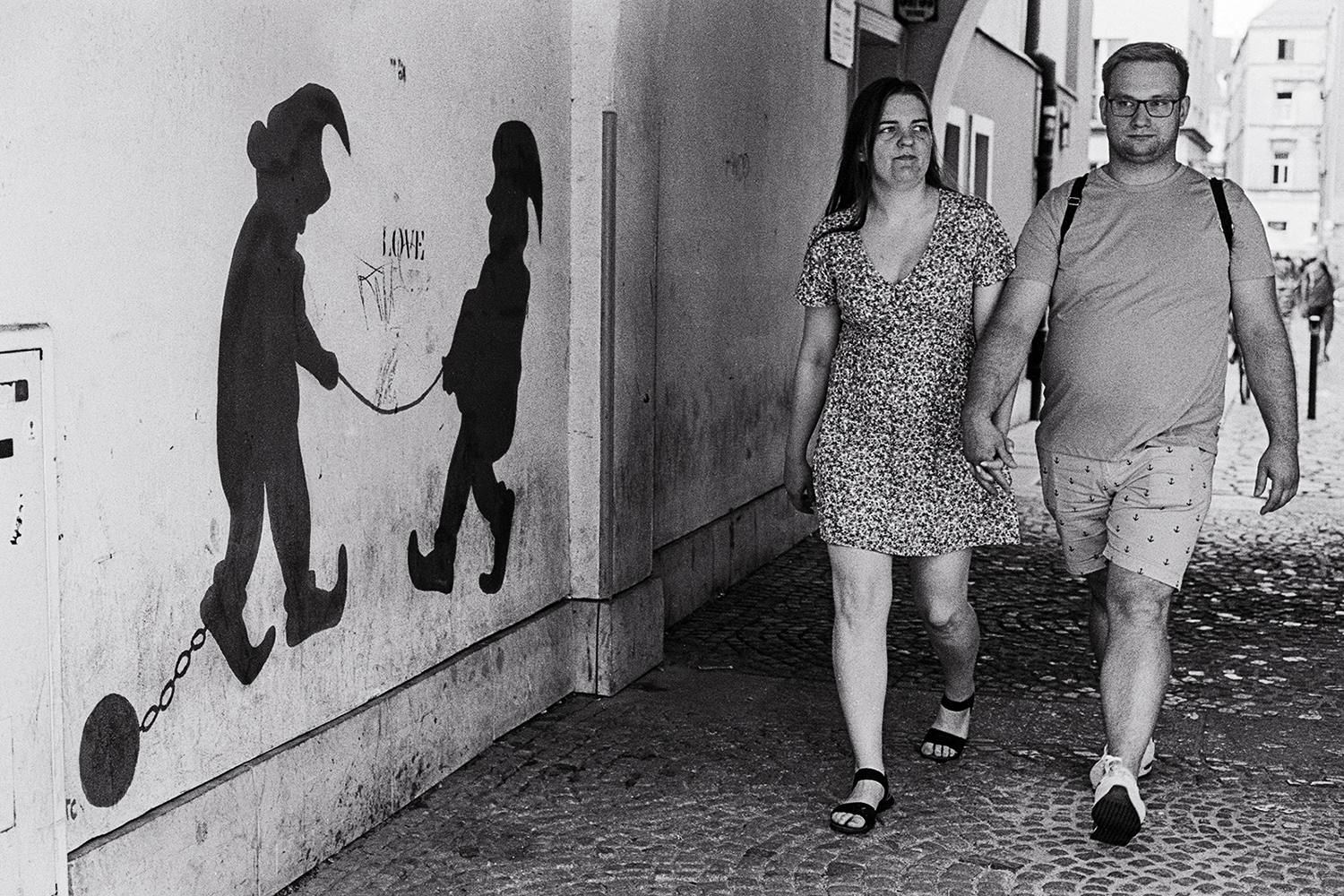
If you want to see the invisible, carefully observe the visible
– Manuel Álvarez Bravo
As a seasoned street photographer wading into the wine-dark waters of photography criticism, I have clung to the passing driftwood of methods helpful in better understanding pictures. Not only a source of insight and fascination, learning to read photography is also a lot of fun. As I continue to show photographs here, both my own and of others, I thought it may be helpful to pause and consider how to read a photograph.
Academic criticism of photography is often split across 4 practices that inform and bleed into one another. A critic will engage in describing, interpreting, evaluating, and theorising. These are often transposed to seeing, feeling, and thinking. To describe a photograph, we must see the picture in detail and in its entirety. Interpreting and evaluating the picture asks us how we both think and feel about the photograph. For the most part, theorising sets aside how we feel and asks us to think further, to answer the question, is this art?
To read a photograph and better understand it, we may pay particular attention to describing and interpreting.
Describing
Detail
To describe a photograph is to consider what we see. What is clear and apparent within the frame? Who or what is the subject? Where does the scene take place? Are there supporting characters or elements providing context to the subject? Take note of each detail within the frame and consider what part they may play in the overall scene then step back and view the picture as a whole.
Composition and Form
Assess the composition and form of the photograph. What compositional rules have been followed? The rule of thirds perhaps, or strong diagonals? Is it symmetrical or has the photographer composed with the golden ratio? Take note of the formal elements of line, shape, texture, and colour. How has light and space been used? What is the tonal quality? Is there a strong or muted contrast?
Technical and Stylistic Choices
Has the photographer made clear stylistic or technical choices? Does shallow depth of field emphasise the subject, or does wide depth show a scene playing out? Has the shutter speed frozen time, or was it slow enough to show the bustle of motion on the street? Is the photograph 35mm or medium format? Is there an unusual crop? Consider if the photograph is part of an artistic movement or a clear example of a style of photography. Was the picture made in a particular era?
Context
As we describe a photograph it may be helpful to look for further context. Who made the work? Consider their influences and resulting style. What was the photographer’s intent? In what social, historical, or political times was the photograph made? How has the work been printed or presented? Taking a photograph out of its original context will alter our reading. Is it, for instance, a war photograph on the wall of an art gallery or a mug shot found in the pages of a zine?
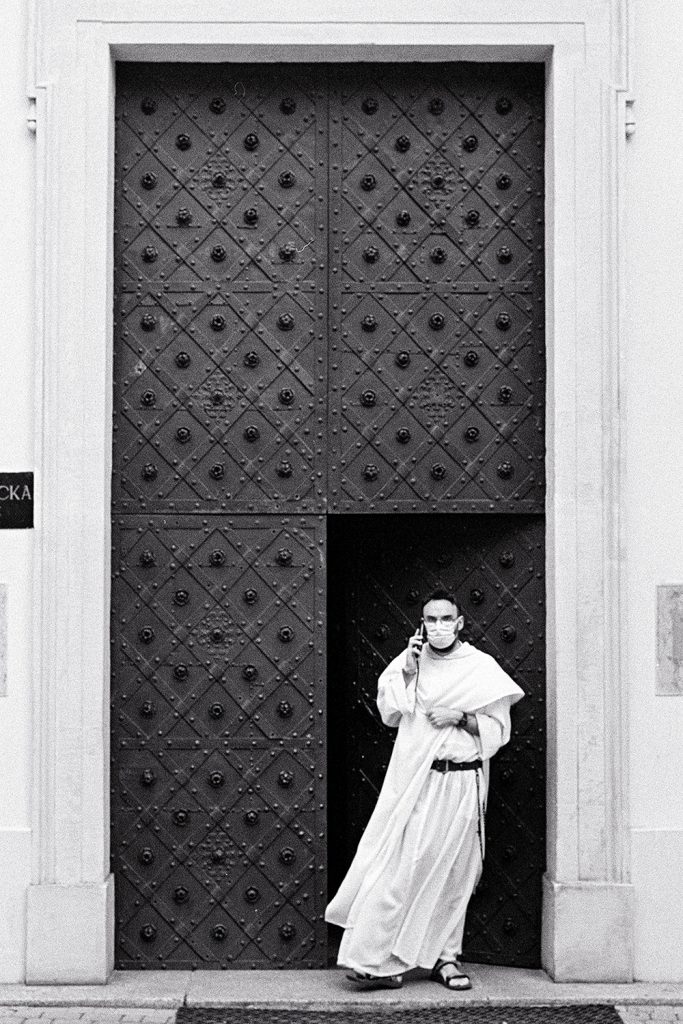
Interpreting
To better understand a photograph, a reader should move beyond description and seek to explore its meaning. One could compare it to another work, or attempt to read it from a stylistic perspective. A reader may look at a photograph through a feminist lens, or choose instead to study it for semiotic significance. There are numerous interpretive approaches and each may be combined with another.
We interpret a photograph by presenting an argument, whether to others or oneself, of what the picture conveys. A photograph may be read in radically different ways. Many interpretations begin with how a photograph makes us feel, however, for a reading to withstand debate or scrutiny, it must be supported by evidence and held with an open mind.
How Does It Feel?
Elation, amusement, concern, disgust, or any number of other emotional reactions may come from reading a photograph. Recognising how the picture makes us feel, and why, is a common first step in interpreting a photo. Consider what it would feel like to be the subject. How would we experience their situation? Is the photograph sincerely expressing this emotion or are we being manipulated?
Our lived experiences inform how we interpret a picture. We may opt to recognise one bias but ignore another. We may organise objects within the frame in unconscious hierarchy, classifying and ascribing importance to some over others based on how we experience the world. As we interpret a photograph, if we can not remove these predispositions, it is important to acknowledge them.
Intentions
While reverie of what might have been is tempting, it is rarely supportive of interpretation and so we should interpret the picture in front of us. A photographer’s intent can be difficult to decipher. Often the photographer themself will struggle to express an intention, in particular those who, to borrow a phrase from Cartier-Bresson, search through the rubble of their subconscious.
Giving undue importance to intent weakens interpretation. Intent can distract and impair the effort to understand the photograph. The intention of the photographer should not be ignored, but instead considered as a part of a wider interpretation. As with any other interpretation, it should be sensible and backed with apparent evidence.
What Does It Mean?
In Rhetoric of the Image (1964) Roland Barthes posits that photographs denote and connote. They show and imply. On the surface, the interpretation of a photograph may be obvious and seem clear, but a deeper examination of the content may imply further meaning. When reading a photograph it’s rewarding to look past the literal not to miss the figurative, allegorical, or analogical meaning. The reader should seek to understand the sense of the photograph while contextualising the information gathered by describing the picture. What do the elements of the photograph show and imply? How should we understand them?
As photographers, however unconsciously, the photographs we make will reflect our culture and the values we hold. Readers of photography are no different. Meaning will be informed by knowledge of these beliefs and from past interpretations made by others. To this extent, understanding a photograph is a team sport.
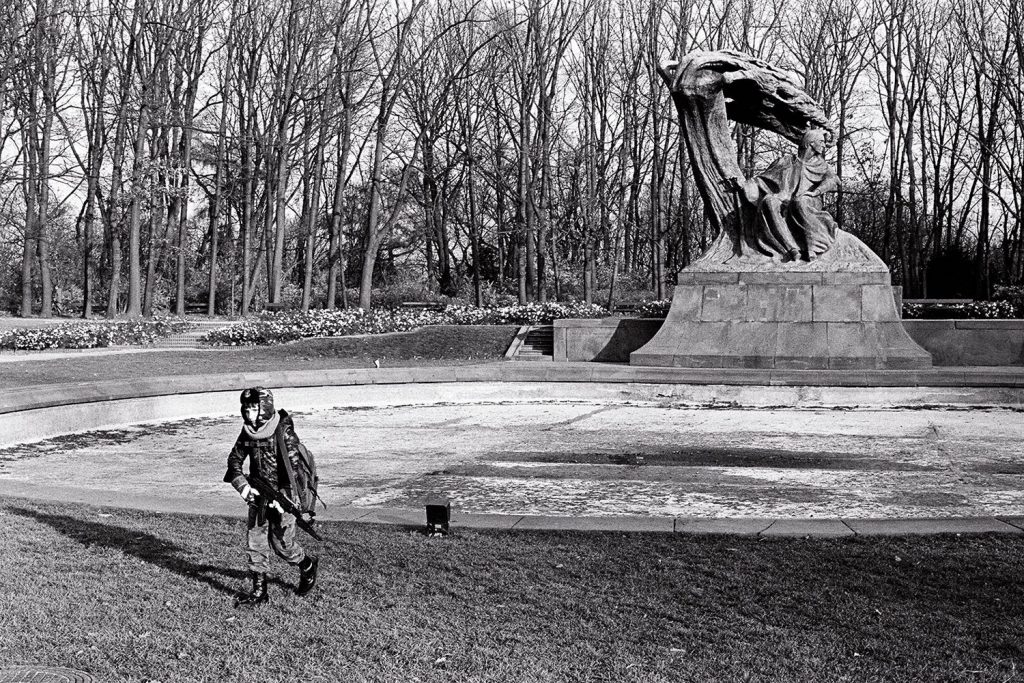
A Final Bête Noire
My own particular bête noire is a poor photograph masked by the photographer bestowing upon it unconvincing intention or an interpretation with all the substance of a homoeopathic remedy. Their hope is to hoodwink the reader, however, one would hope they are seen for what they are, photographic snake oil salesmen.
An interpretation should be consistent with what is seen and what is known of the photograph. It must be sensible, realistic, and demonstrated. A convincing interpretation can be revealing or meaningful, however, straining for meaning not represented in the picture results in an implausible, unlikely interpretation that can be easily dismissed.
Though I will certainly expand on this topic in the future [I didn’t, but I still hope to], for a deeper dive into the many approaches of interpretation, methods of evaluation, and how to theorise, I can recommend the chief source for this issue, the excellent Criticizing Photographs: An Introduction to Understanding Images (1990) by Professor Terry Barrett of Ohio State University, a well-thumbed copy of which sits on my desk as I write.
Reading and understanding photographs. What do you think? Are these useful things to consider? Have I just opened another rabbit hole for you to fall down or is it all just pseudo-academic fluff? Let me know in the comments.
And finally…
If you’ve enjoyed this issue, I’d be very grateful if you could recommend it to any photography-loving friends.
This newsletter is free to read, however, as a freelancer in the creative arts, every penny counts. If you like what I do, please consider buying me a roll of film. You can do so by clicking here, or by aiming your camera at the QR code below. Your donations help me keep making photographs and writing.

All labour required to publish The Contact Sheet is undertaken by me alone. As I try to be a better socialist, I donate 10% of all income to anti-capitalist, leftist, or progressive causes or organisations that help make the world a better place. Thank you!