This slightly edited post was first published on the Substack newsletter, Photos, mostly on December 21st, 2022.
Your first 10,000 photographs are your worst – Henri Cartier-Bresson
Now 2 years into my return to street photography, and almost 20 since I first picked up a camera, I have been considering why my success rate per photograph has fallen. For every roll of film that I shoot, there seems to be fewer frames worthy of consideration. Have I spent recent times regressing as a street photographer? I feel quite the opposite. My photography has come on a distance in the last year or so. The operative phrase, I suppose, is there seems to be fewer worthy of consideration. In fact, if anything, there is an objectively higher quality to my recent work than before the hiatus, yet I choose to show far fewer of them to the world. I wonder why that is?
The answer lies, I think, in experience and good judgement, or – in the past – a lack thereof. Photographers starting out on their creative path will share an abundance of images without ever determining those that represent their best work. At this early stage, they still need to learn how to edit and are excited to show improvement day by day. Beginners do have discernment in their choices, but their range of what they find acceptable to show is wider as there is much to learn. And, incidentally, there’s absolutely nothing wrong with that. Don’t get me wrong. You’ll find no gatekeeping here.
Cutting out weeds
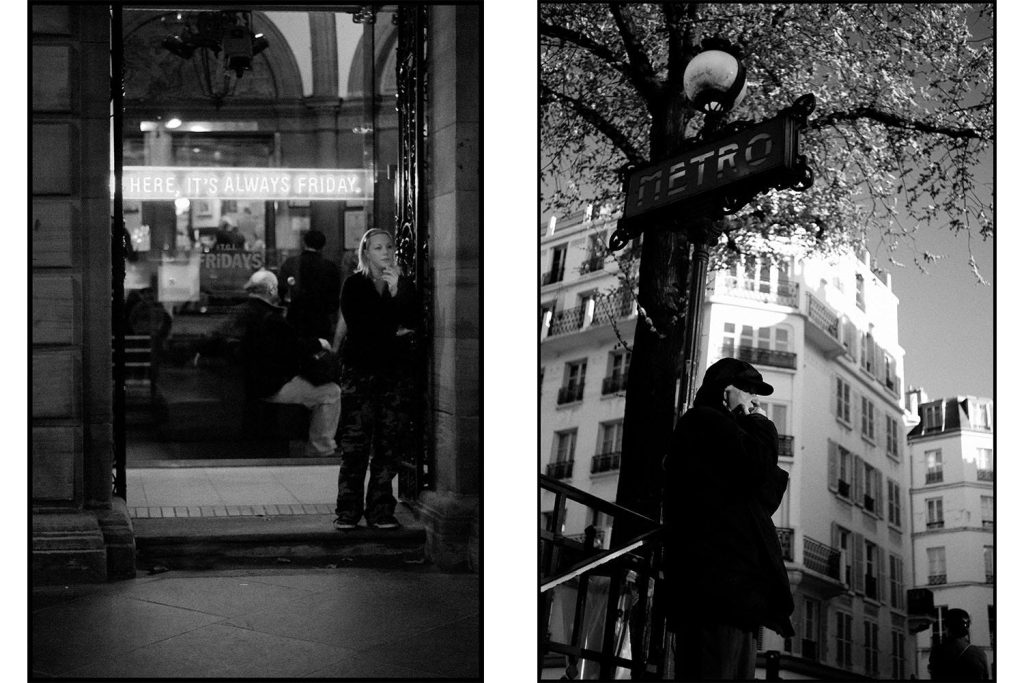
In time, through exposure to other photographers work, criticism from peers, and with an open mind and a desire to work hard to improve ourselves as we walk the streets, we start to see what other photographs have that make them stand out when ours don’t. We learn what makes a strong rectangle and what might detract from the image. We begin to incorporate those lessons into our compositions. Through constant revision and review, we develop an intuition for a good edit, and become more comfortable with cutting out weeds we may once have looked upon as flowers.
While a hard lesson to learn, it is also important not to confuse the intention with the result. A key lesson learned from a street photography masterclass with Richard Kalvar was the intention is irrelevant if the photograph isn’t any good. It’s tempting to share a photograph you know in your heart isn’t up to your own high standards, because you remember what you intended when you took the photograph and you came so close. Unfortunate though it is, it’s important to forget that intention and look at the frame objectively. Is it any good?
A Discerning eye
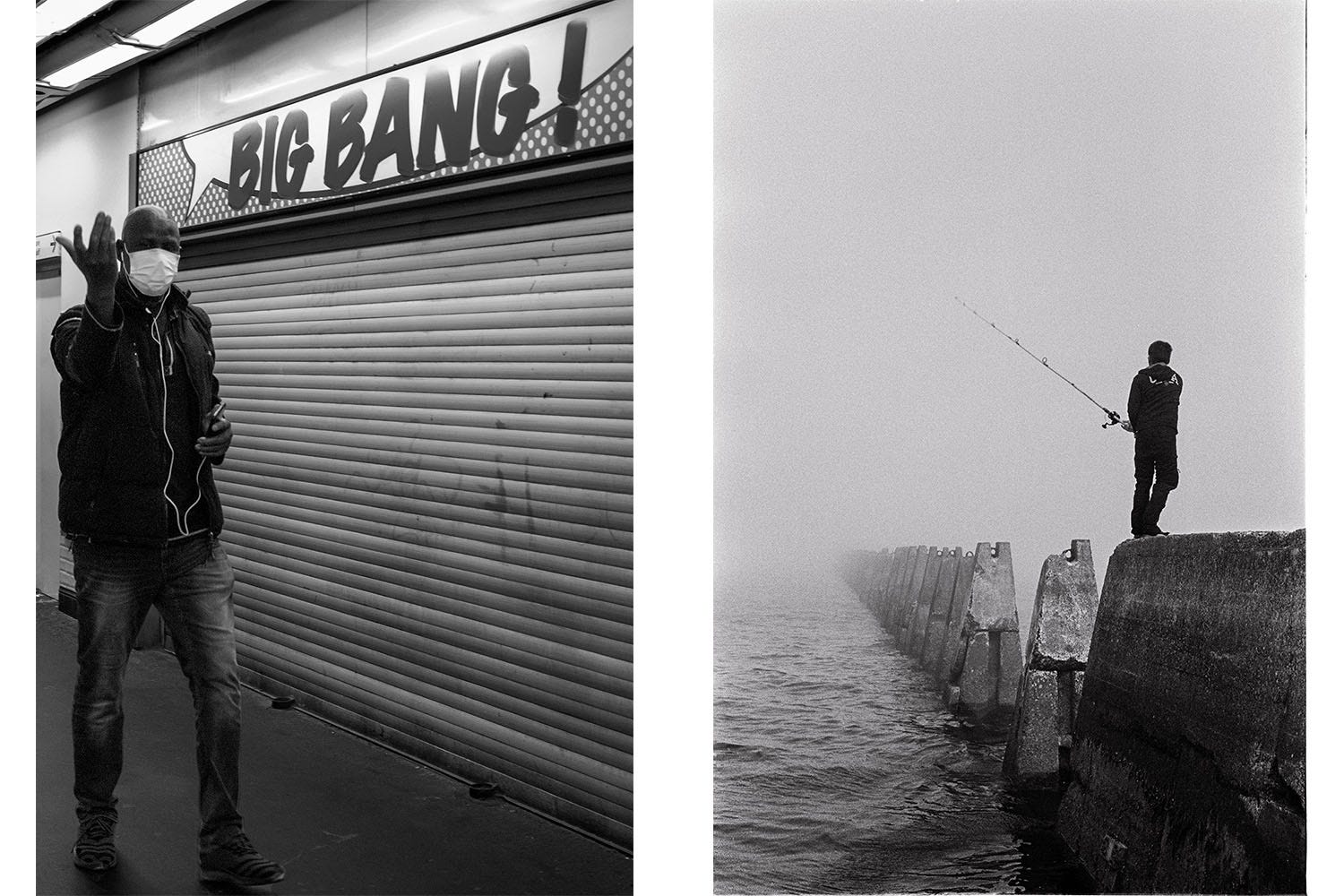
With experience I’ve come to discover in my own work what I see as a strong street photograph, and one that is either mediocre or just bad. With help from masters and amateurs alike, I’ve developed – what I like to think of as – a discerning eye to recognise the difference. While this has the occasional adverse effect of causing me to overlook a photo I should include, it has made a marked improvement to the choices I make in an edit. This is never more clear than when I compare recent photographs to those that I would post to Flickr as my best work of the time. I can even see it in the comparison of photos I posted to Instagram in early 2021 versus choices that I would make now.
With experience comes better judgement and we are always learning, growing, and improving. To consider my original question, then, rather than fretting about a perceived drop in acceptable photographs found on my spent rolls of Tri-X, I choose to think of it more as an obvious sign of growth in judgement, and a stronger resolve to continue to better edit my own work.
And finally…
If you’ve enjoyed this issue, I’d be very grateful if you could recommend it to any photography-loving friends.
This newsletter is free to read, however, as a freelancer in the creative arts, every penny counts. If you like what I do, please consider buying me a roll of film. You can do so by clicking here, or by aiming your camera at the QR code below. Your donations help me keep making photographs and writing.

All labour required to publish The Contact Sheet is undertaken by me alone. As I try to be a better socialist, I donate 10% of all income to anti-capitalist, leftist, or progressive causes or organisations that help make the world a better place. Thank you!